Cost of buying
a home
Beyond the price tag, buyers pay 2–6% in closing costs, a 3–20% down payment, and up to $200/month in PMI. Here is the complete 2026 checklist.
The price is not the price
The home price is what you borrow. What you actually pay at closing is the down payment plus 2–6% in closing costs (lender fees, title, appraisal, escrow, taxes). On a $300,000 home with 3% down, that is $9,000 down + $9,000 closing.
Below 20% down, lenders add PMI (private mortgage insurance): roughly 0.3–1.5% of the loan per year, typically $50–200/month, until you reach 20% equity. Budgeting for it changes what you can afford.
Down payment
3–20%. 20% avoids PMI. VA and USDA allow 0%. FHA needs 3.5%.
Closing costs
2–6% of price: lender fees, title, appraisal, taxes and escrow. Some can be negotiated.
PMI
0.3–1.5% of the loan per year when you put down less than 20%.
The rule of thumb : Plan to have 8–12% of the home price in cash: down payment (3–20%) plus closing costs (2–6%) plus a reserve. Buyers who skip the reserve become house-poor fast.
How to budget the true upfront cost
Five steps from pre-approval to the keys.
-
1
Get pre-approved first
Know your rate and what you qualify for before you shop. It also strengthens your offer.
-
2
Set the down payment strategy
3% conventional avoids nothing; 20% kills PMI but drains cash. Weigh monthly savings vs upfront cash.
-
3
Request the loan estimate
Lenders must give a Loan Estimate (3 pages) listing all fees. Compare two side by side.
-
4
Shop for the title & inspection
Title ($300–700), appraisal ($300–600) and inspection ($300–500) vary by provider. Ask for itemized quotes.
-
5
Ask the seller to contribute
Sellers can pay up to 3–6% of closing costs depending on loan type. Every negotiated point is cash back.
What you actually pay
Typical costs on a $300,000 home purchase (2026).
| Item | Typical cost | Percent of price | Notes |
|---|---|---|---|
| Down payment (3%) | $9,000 | 3% | 0% for VA/USDA |
| Down payment (20%) | $60,000 | 20% | No PMI |
| Closing costs | $6,000–18,000 | 2–6% | Lender, title, escrow, taxes |
| PMI (per year) | $500–2,400 | 0.3–1.5% | Until 20% equity |
| Inspection | $300–500 | ~0.1% | Optional but essential |
| Appraisal | $300–600 | ~0.15% | Required by lender |
| Title insurance | $700–1,500 | ~0.3–0.5% | Protects ownership |
The three cost buckets
Every dollar you bring to closing falls into one of these.
Down payment
- 3% to 20% of the price
- 20% avoids PMI
- VA and USDA allow 0%
Closing costs
- 2–6% of the price
- Lender, title, escrow, taxes
- Partially negotiable
PMI & reserves
- PMI when under 20% down
- 6 months of payments as reserve
- Surprise repairs and moving
Ongoing costs
- Property tax and insurance
- Maintenance 1–3% per year
- HOA and utilities
Home buying cost calculator
Enter the price, down payment and your state group — see the real upfront cash needed.
Estimates only, based on your inputs.
What fits your purchase
Match the plan to your down payment and timeline.
First-time buyer
3–5% down programs exist (FHA, conventional 3%). Budget closing costs carefully — they surprise most first-timers.
20% down
No PMI, better rate, and a stronger offer. Weigh the monthly savings against the drained savings.
Veteran / rural
VA and USDA loans allow 0% down with no PMI — the lowest-cost entry into homeownership.
High-cost market
Closing costs are highest in high-price states. Negotiate seller credits and shop lenders harder.
Tight budget
Use down-payment assistance programs and gift funds. Some states offer grants for first-time buyers.
Investment property
Investment loans need 15–25% down and higher rates. PMI rules differ — plan cash accordingly.
Ways to cut upfront costs & Cost traps
Ways to cut upfront costs
- ✔Negotiate seller credits toward closing costs (3–6%).
- ✔Shop lenders — fees vary by $1,000+ for the same loan.
- ✔Ask for the Loan Estimate and compare line by line.
- ✔Use assistance programs and gift funds for the down payment.
Cost traps
- ✕Choosing 3% down with no reserve for repairs.
- ✕Skipping the home inspection to save $400.
- ✕Ignoring property tax escrow — it can spike your payment.
Home buying terms decoded
The closing-table jargon, in plain English.
Home buying cost FAQ
How much money do I need to buy a house?
How much are closing costs?
What is PMI and how much does it cost?
Can I buy a house with no money down?
Are closing costs negotiable?
Is 20% down required?
What hidden costs come after closing?
How can I lower my upfront cost?
2026 US averages. Actual costs vary by state, lender and loan program. This guide is educational, not financial advice.
Tools to go further
Related articles

OpenClaw: The Self-Hosted AI Assistant That Changes Everything
docTR: The Revolutionary OCR Library Every Developer Needs
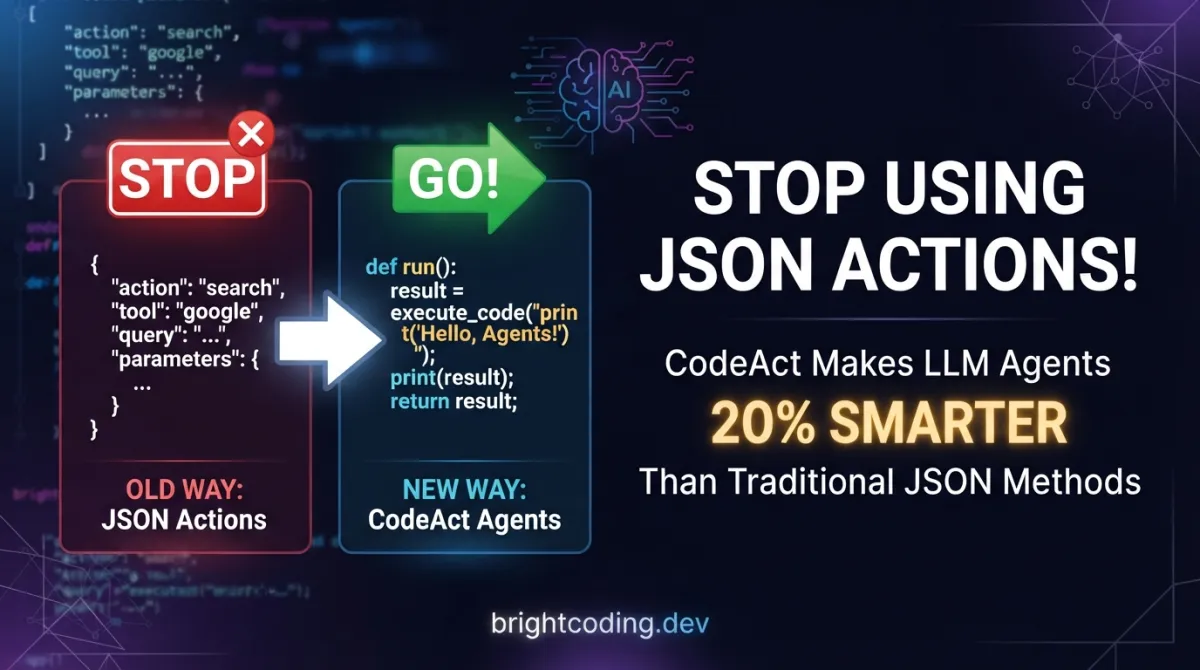
Stop Using JSON Actions! CodeAct Makes LLM Agents 20% Smarter
Sparkle: The Secret Tool That Fixes Windows in Minutes
Run the real numbers
Use the calculator above, then check affordability and monthly payment before you commit.